Pay in installments of $6.23 with
 ,
,
 and
and

Shipping Estimate
USA
- USA
- CAN
- USA
- CAN
Ships within 48 hours · Estimated delivery Jun 29 - Jul 4
 Promo Codes Available:
For Your Every Summer RSVP, with Code: SUMMER15
Description
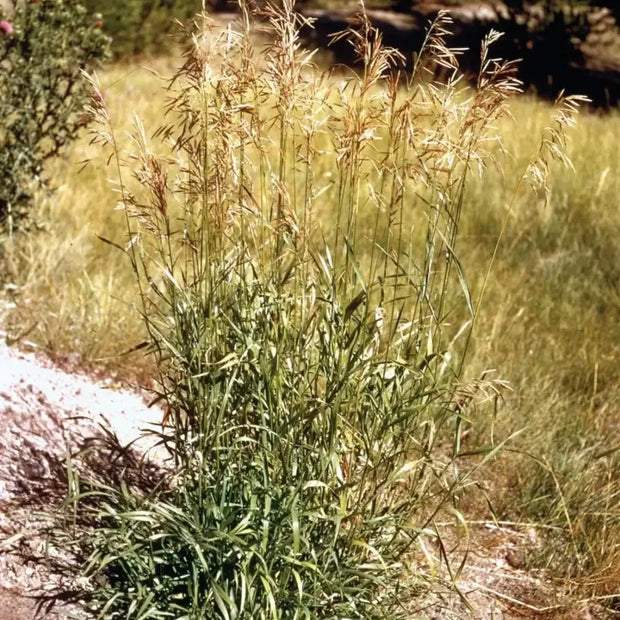
planting brome seed 2 pack x 7000 Smooth Bromegrass Seeds – Bromus inermis (Pasture Grass, Erosion Control, Perennial Forage)TL; DR (AI Summary) A resilient, low maintenance perennial grass ideal for erosion control, pasture, and ornamental use across USDA zones 311; thrives in full sun with minimal care once established. Best for: Pasture and forage production Best for: Erosion control on slopes and stream banks Best for: Prairie and wildlife habitat restoration Best for: Ornamental landscaping and container gardening Not suitable for: Indoor only growing without outdoor
TL;DR (AI Summary)
A resilient, low-maintenance perennial grass ideal for erosion control, pasture, and ornamental use across USDA zones 3–11; thrives in full sun with minimal care once established.
- ✅ Best for: Pasture and forage production
- ✅ Best for: Erosion control on slopes and stream banks
- ✅ Best for: Prairie and wildlife habitat restoration
- ✅ Best for: Ornamental landscaping and container gardening
- ❌ Not suitable for: Indoor-only growing without outdoor transplanting
- ❌ Not suitable for: Tropical climates outside USDA zones 3–11
- ❌ Not suitable for: Instant lawn coverage (requires 7–21 day germination)
Key Features:
- Scientific Name: Bromus inermis
- Usda Zones: 3–11
- Germination Time: 7–21 days at 60–75°F
- Maintenance Level: Low (drought-tolerant once established)
- Uses: Erosion control, forage, ornamental, wildlife habitat
Smooth Bromegrass (Bromus inermis) is a resilient, adaptable grass species perfect for erosion control, prairie restoration, ornamental landscaping, and wildlife habitat. Once established, it requires minimal maintenance and provides year-round beauty with graceful seed heads and natural texture.
This variety thrives in USDA zones 3-11 depending on your climate, and adapts beautifully to indoor and outdoor growing. Start from seed for the most rewarding gardening experience — there is nothing quite like nurturing a plant from its very first sprout.
🌱 Step-by-Step Growing Guide
1. Seed Prep and Sowing: Broadcast seeds evenly over prepared soil in spring or early fall. Rake lightly to ensure seed-to-soil contact. No pre-soaking needed for most grass species.
2. Planting and Container Setup: Full sun to partial shade depending on species. Prepare a clean, level seed bed. For ornamental clumps, space 6-12 inches apart. For lawns, broadcast evenly.
3. Germination and Early Care: Germination takes 7-21 days when soil temperature reaches 60-75F. Keep soil consistently moist until grass is established — light daily watering in dry periods.
4. Growth and Maintenance: Once established, most grasses are remarkably drought-tolerant. Allow seed heads to develop for winter interest and natural reseeding. Divide clumps every 3-4 years.
5. Harvesting: For ornamental use, let seed heads develop naturally. For restoration projects, allow natural reseeding. Cut back dead foliage in late winter before new growth appears.
💡 Pro Tips for Every State
- Midwest and Northeast: Sow in early spring as soon as soil can be worked. Fall seeding also works well for spring establishment.
- South and Southwest: Warm-season grasses establish fastest when planted in late spring to early summer.
- Container and Balcony Growers: Ornamental grasses in large containers create dramatic focal points on patios and rooftops.
🍳 Easy Recipes and Creative Uses
- Erosion Control: Stabilize slopes, stream banks, and disturbed areas with deep-rooted native grass for lasting protection
- Ornamental Landscaping: Create stunning prairie-style gardens with graceful seed heads that sway beautifully in the breeze
- Wildlife Restoration: Provide essential habitat for ground-nesting birds, beneficial insects, and native pollinators
📋 Care and Storage
- Store unused seeds in a cool, dry place — sealed container in the fridge extends viability 2-3+ years
- Water consistently — morning watering prevents fungal issues and keeps plants hydrated through the day
- Mulch around plants to retain moisture, suppress weeds, and regulate soil temperature
- Check your USDA hardiness zone at planting time for the best results in your specific region
📦 Shipping & Handling Information
Every order is carefully packaged using industry-standard materials designed to protect your purchase during transit. We ship within 1-3 business days using tracked, insured shipping methods to ensure safe and timely delivery to your door. Packaging materials are selected to maintain product integrity through temperature variations and handling during transport. Track your order in real-time through the tracking number provided via email notification after dispatch. International customers should note that delivery times may vary based on customs processing in your destination country. If you have any concerns about your order upon arrival, our responsive customer support team is available to assist with replacements, refunds, or additional guidance to ensure your complete satisfaction with every purchase.
🌤️ Microclimate Optimization
Understanding and leveraging your garden's unique microclimates can dramatically improve growing success. South-facing walls absorb and radiate heat, creating warm zones perfect for heat-loving varieties and extending the season. Areas under tree canopies offer dappled shade ideal for woodland species and heat-sensitive crops during summer. Low-lying garden spots tend to collect cold air (frost pockets) and moisture — position cold-hardy varieties here and reserve higher ground for frost-sensitive plants. Use thermal mass elements like stone pathways, water features, or dark-colored containers to absorb daytime heat and release it gradually overnight, buffering temperature swings by 5-10°F. Install a simple min/max thermometer at plant height in different garden zones to map your microclimate variations and make data-driven planting decisions that optimize each variety's placement for peak performance.
🧺 Harvesting & Post-Harvest Storage
Timing your harvest correctly maximizes flavor, nutrition, and shelf life. Most leafy greens reach peak quality when harvested in the cool morning hours after dew has evaporated but before afternoon heat causes wilting. Use clean, sharp pruning shears to make precise cuts that heal quickly and reduce disease entry points. For root vegetables, wait until foliage begins to yellow and die back naturally before gently loosening soil with a garden fork. Store harvested produce properly: leafy greens wrapped in damp paper towels inside perforated bags maintain crispness for 7-10 days in the refrigerator crisper drawer at 35-40°F. Root vegetables store best in cool, dark, humid conditions (32-40°F, 90-95% humidity) and can last 3-6 months when properly cured. Preserve surplus harvest through dehydrating, freezing, or fermentation for year-round enjoyment.
Shipping Notes
- Free Standard Shipping on $100+ Orders to the USA.
- Except Preorder products are shipped in 48 hours.
- Delivery to the USA:
- Standard Shipping : 3-10 business days
- If time is of the essence, please consider selecting expedited delivery for faster service.
Exchange/Return Notes
- We offer a 30-day return/exchange service after receiving.
- Final sale items are not eligible for returns or exchanges.
- To process your return/exchange, please contact us at [email protected]
- Please click here for more details>>> Return & Exchange Policy